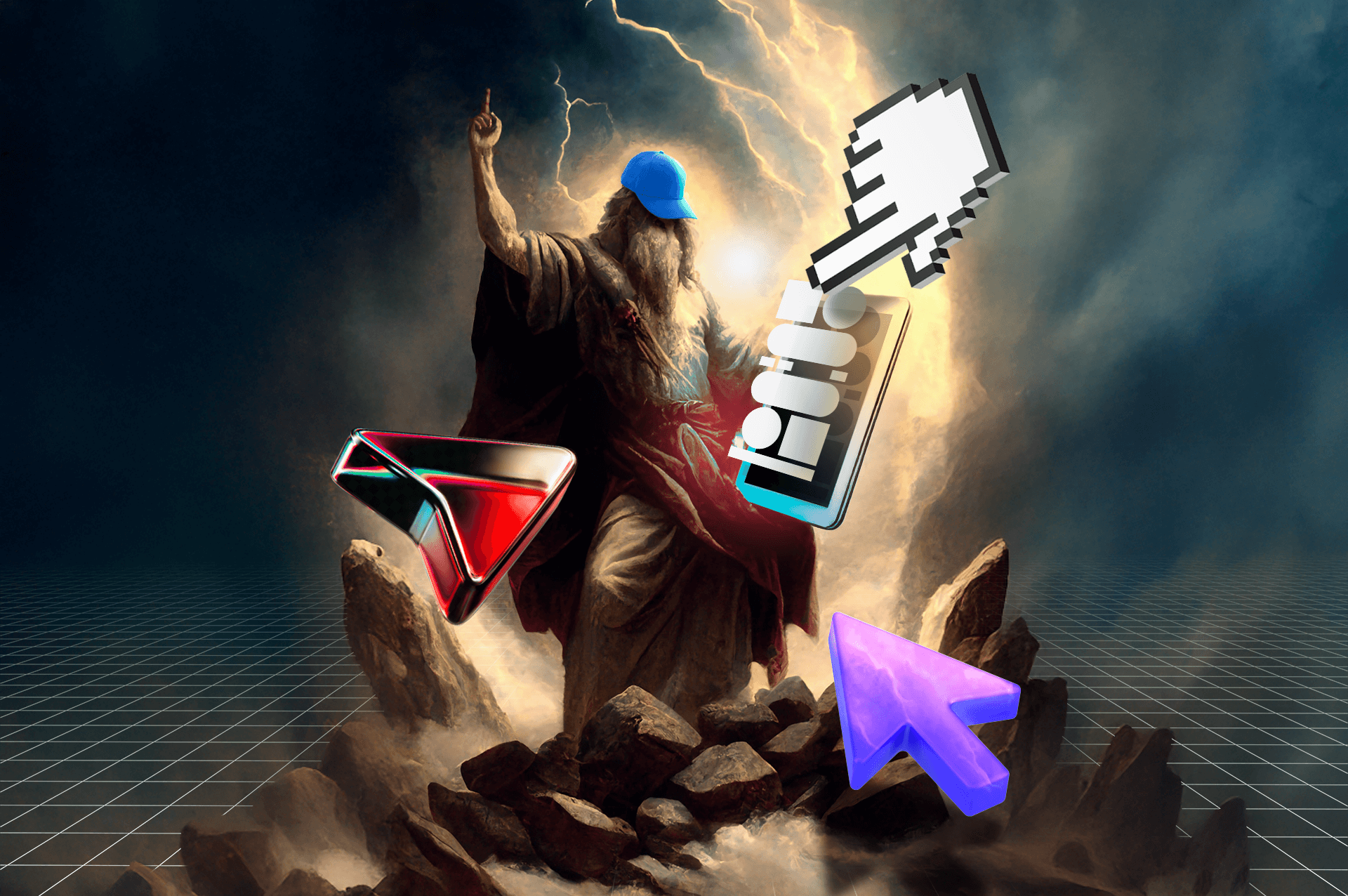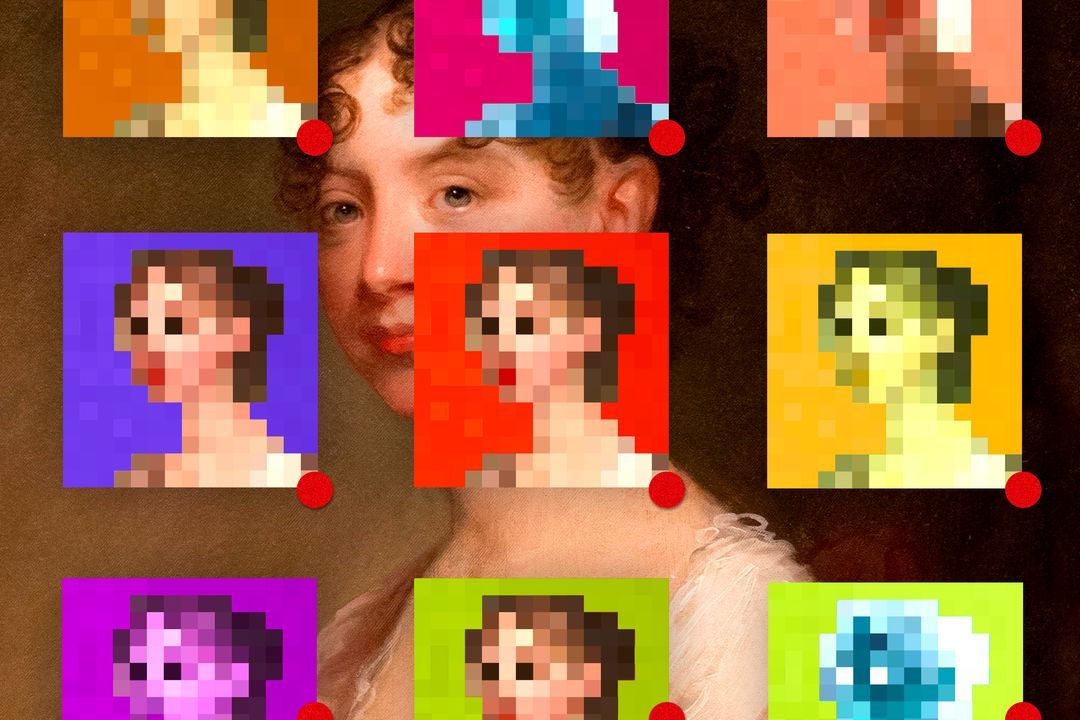
The question for museums and galleries isn't whether blockchain will transform the art world — it's whether they'll be part of shaping how.
By early 2021, art institutions were already under significant pressure: pandemic closures, mass layoffs, union organizing, and a growing public demand for proof that these institutions could evolve. NFTs arrived as a cultural moment — an opportunity to signal relevance. Now that the initial hype has quieted, the more substantive opportunity remains.
Start with the visitor experience
Exhibiting blockchain art in physical gallery spaces is harder than it looks. MoMA's Refik Anadol installation "Unsupervised" demonstrated both what's possible and what's required: a gallery can't simply put up a screen and a QR code and expect visitors to know what to do. The barrier to collecting a piece of blockchain art — download an app, create a wallet, navigate an unfamiliar interface — is real for most audiences.
Institutions that want to succeed here need to invest in the infrastructure: dedicated staff to walk visitors through the experience, clear signage, and a social campaign that celebrates participation. Blokhaus developed a product designed to eliminate the most friction-heavy step of this process. The point is that this requires genuine commitment, not a checkbox activation.
Lead with the art, not the technology
The blockchain an artwork lives on should be a footnote, not the headline. Post-Ethereum Merge, energy costs are acceptably low and provenance is automatically secured on-chain. The technology has matured enough to fade into the background, where it belongs. What it enables — immutable provenance records, programmable artist royalties, global collector access — is remarkable. But visitors and collectors care about the art and the experience, not the infrastructure.
Registration departments have a particularly compelling opportunity here: blockchain can serve as a secure, transparent, open-access archive for collection records — installation history, curator notes, materials documentation — in a form that was previously impossible to maintain.
The community opportunity is real
Blockchain has created a genuinely global community of artists who can earn a living selling work regardless of what degree they have, what language they speak, or which country they live in. Western art institutions are consciously gatekept. The public and the trustees are demanding greater inclusivity — and they're right.
One show, one blockchain artist, one activation is not enough. The talent in Web3 is worth engaging with consistently, not as a trend. Institutions that commit to this work over time — curating progressive exhibitions that introduce audiences to perspectives they'd otherwise never encounter — have a chance to genuinely expand what contemporary art institutions can be.