In a brand world obsessed with AI and over-vectored fakery, a genuine aesthetic antidote is emerging. The new visual language defining trustworthy tech brands today.
After a bear market, a wave of spectacular failures, and the existential anxiety of AI coming for creative work, there is something unmistakable in the air. Call it an opportunity — specifically, the opportunity for a dynamic shift in how emerging tech brands present themselves to the world.
We've been here before
Aesthetic shifts in brand identity have always followed economic upheaval. After the 2008 financial crash, a new generation of direct-to-consumer brands entered the market with a visual vocabulary that felt radically honest: sans-serif logos, neutral palettes, clean interfaces, and not a superfluous gradient in sight. Legacy brands followed suit. Brand authority shifted.
In crypto, we embraced what might charitably be called the space age. Blockchain was so theoretical, so expansive in its implications, that the only logical visual language was galactic: interstellar imagery, glowing orbs, cosmic blue gradients representing a bold new decentralized frontier. Developers were on board. Most mothers were still confused at Thanksgiving.
What's coming next
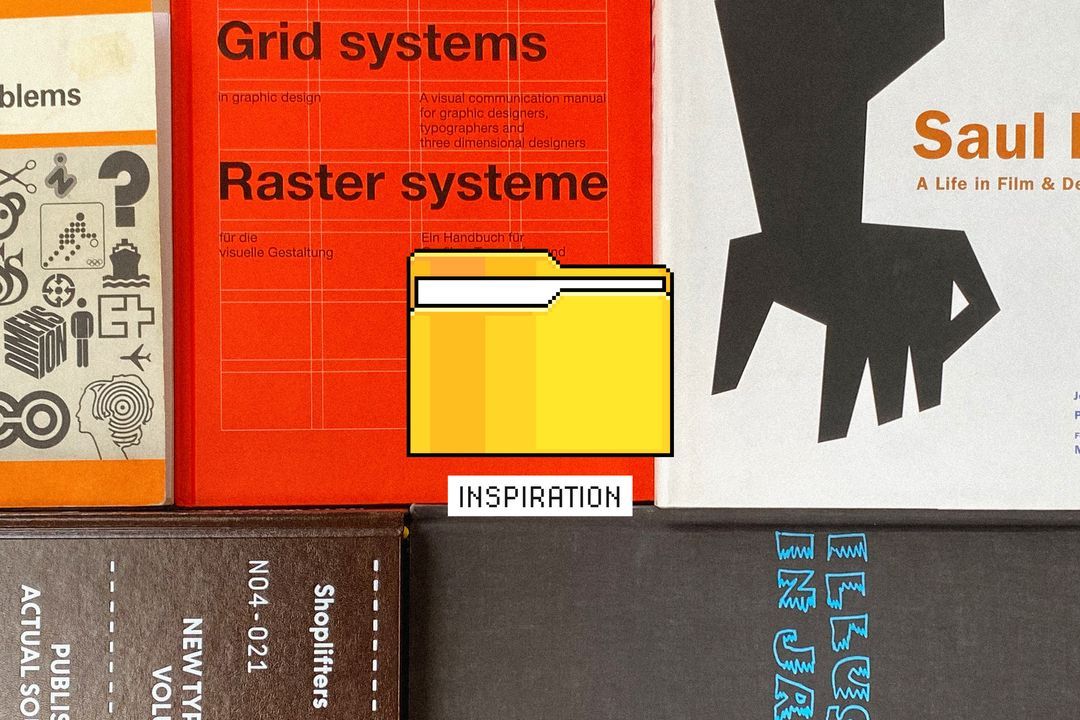
There's a growing desire for something genuinely different: texture, craft, the warmth of the digital handmade. Design that references older visual traditions and makes them feel fresh and relevant for a technology landscape that desperately needs nuance. More maximalism. More flexibility. More joy, unpredictability, and personality — placed on a strong grid, because great design still requires structure.
I want tech to embrace differentiation as a badge of honor. That means buying the typeface instead of defaulting to the free one. It means hiring artists and letting them make something real. It means committing to actually saying something with your visual identity — something that distinguishes you from the field, rather than blending into a sea of sameness.
The stakes are real
Brands that invest seriously in creative will win. As the industry works to put FTX, SVB, and a parade of other disasters behind it, the brands that emerge credibly from this period will be the ones that look like they've moved on — because they have.
Users need to see it to believe it. Visual identity is a signal of intent. Cheap AI stunts and recycled visual territories communicate that nothing has changed. Real creative investment says otherwise. Now, more than ever, the brands that commit to the creative process will earn the trust that the last few years have done so much to erode.