Here for the optimized health data, tailored learning, and new statement earrings — not here for the threats to autonomy and privacy. What could happen if AI starts predicting our future?
In a world where technology continually astounds, imagine if it could also predict your future. Not just economic forecasts and market trends, but a personalized guide helping you pick the optimized path through life. That's the tantalizing promise of AI-driven predictive modeling.
Gaze into the future
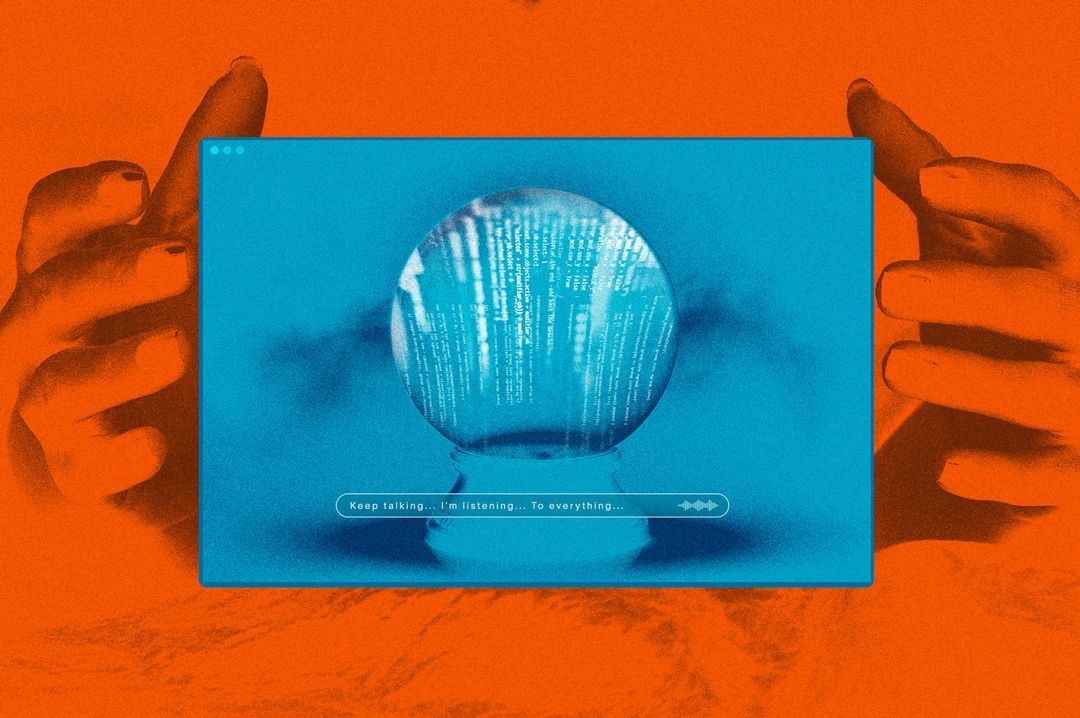
In the not-so-distant future, AI algorithms primed on our habits, actions, and personal details will map tailor-made predictions about our lives. How you work out, where you want to take your career, even ideal dating matches — data that might serve as the crystal ball we all wish we could call upon.
It sounds futuristic, but you're already living it. Digital calendars, step counters, sleep trackers, accepted cookies — all collecting behavioral data. Imagine that data pooled into one comprehensive dashboard. My AI would craft a wake-up routine for dreadful Mondays, tell me how long to walk my high-energy dog, and infuse caffeine breaks into back-to-back meeting schedules.
Fortune favors the data
Scale that logic up and the implications are sweeping. AI could analyze past purchasing behavior, style preferences, and trends to ensure you always feel your best and dress appropriately for any occasion. Predictive health modeling could allow doctors to assess current and historical health data, recommend lifestyle habits, and potentially prevent future health crises. Adaptive learning platforms could build customized education plans for every student — from pre-K through post-doctorate — constantly learning from how each individual learns best.
The prediction paradox
With unlimited potential comes ethical implications. Privacy concerns loom large as the collection and analysis of personal data raises questions about consent and autonomy. Predictive models are only as good as the data they're built on — and without careful attention, they risk perpetuating inequalities and even amplifying harmful stereotypes.
The risk I personally find most troubling: loss of critical thinking. Relying too heavily on predictive models may make our choices feel less like our own. Algorithms could begin suppressing spontaneity, dulling our instincts, and stifling the creativity and big-picture thinking that makes us human.
What does the future hold?
With AI trickling further into our lives every day, the opportunity is real — and so are the risks. I'm personally excited by what predictive modeling could do for my statement earring collection and future vacation planning. But I'll be holding tight to the importance of safeguarding autonomy and privacy along the way. Ready to upgrade your crystal ball?